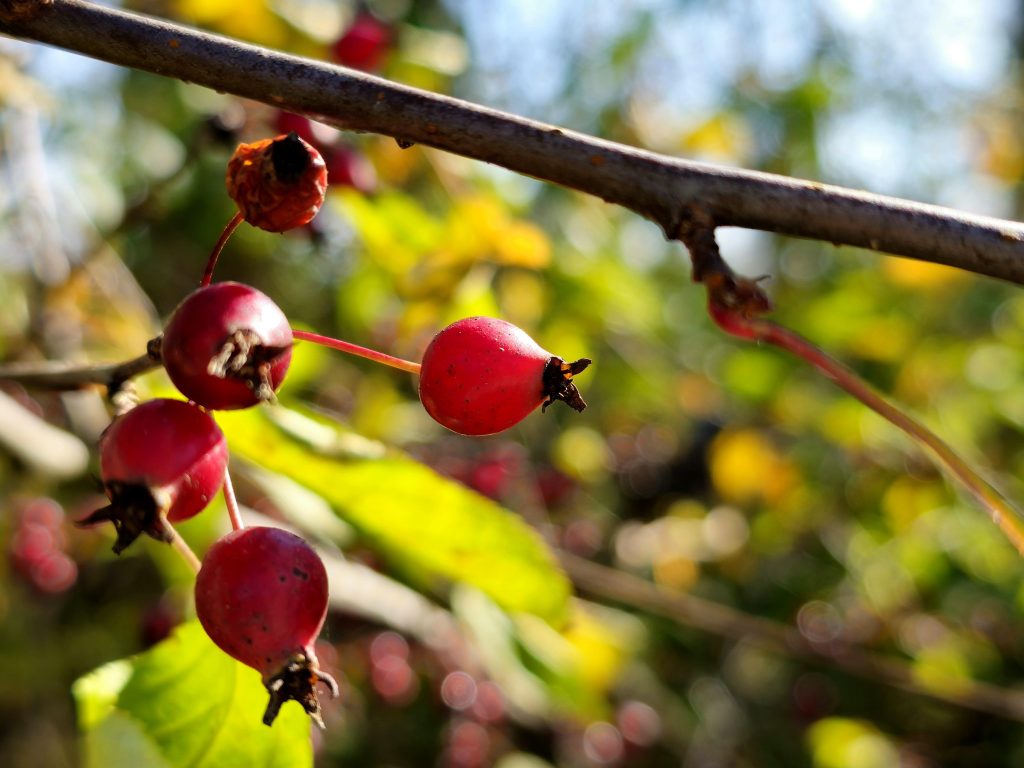
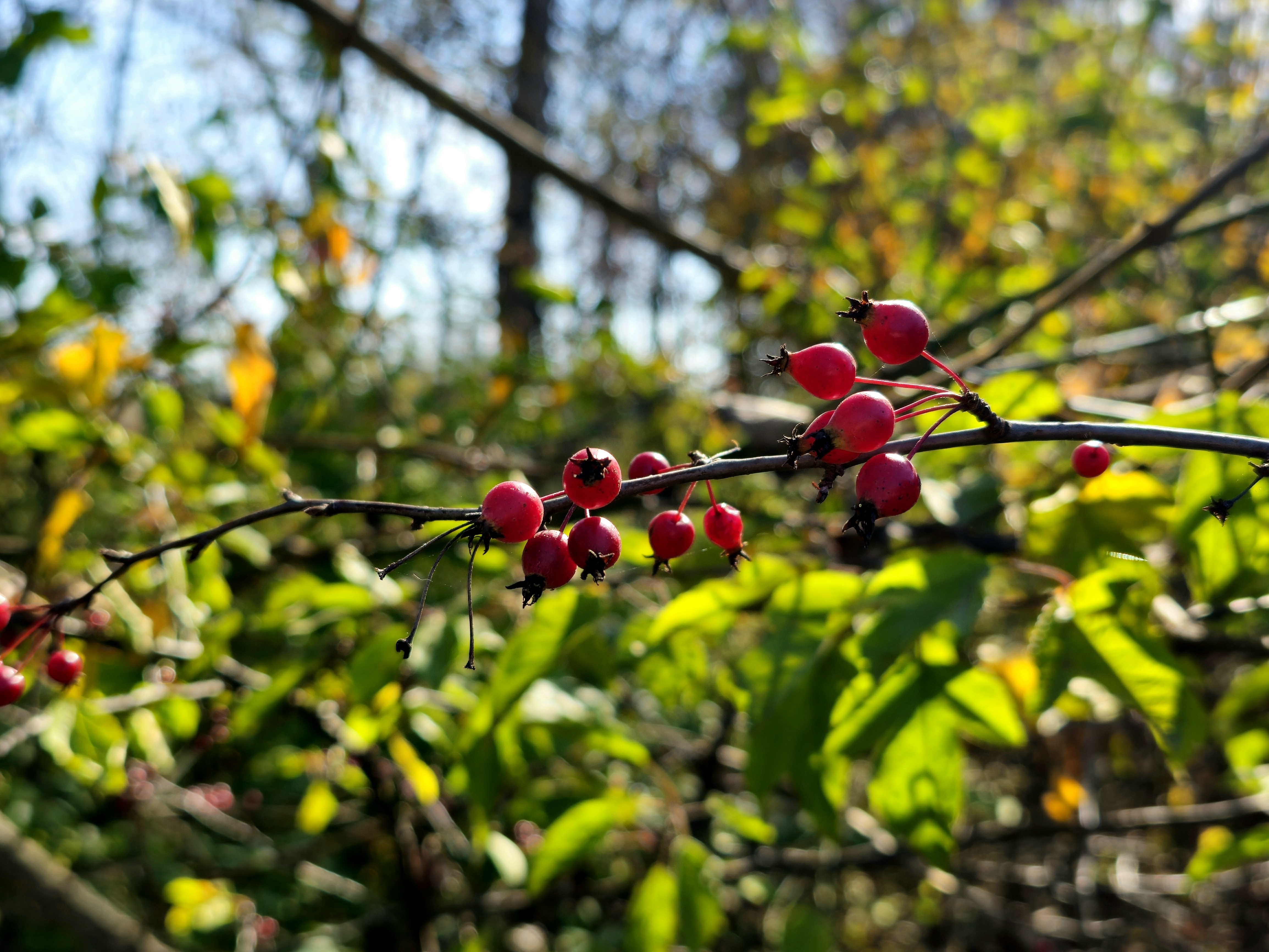
Few trees are as steeped in mystery and magic as the hawthorn. Known as the “faerie tree” in Celtic lore, this humble yet thorny plant has long been revered for its protective qualities and connection to the otherworldly. But beyond its mythical roots, the hawthorn offers tangible benefits as well—its berries, leaves, and blossoms have been used for centuries to support heart health and nourish the body. In this post, we’ll explore the fascinating history of the hawthorn, from its sacred role in ancient traditions to its modern-day uses, and discover why this plant remains a favorite for foragers and nature lovers alike.
Hawthorn (Crataegus spp.)
- Common Name: Hawthorn
- Scientific Name: Crataegus spp.
Quick Facts
- Color: Bright red to deep red
- Size: About 1 cm in diameter
- Taste: Mild, slightly tart or bland raw
- Edible: Yes, better when cooked
- Found in: Hedgerows, forest edges, and open fields
Visual Identification
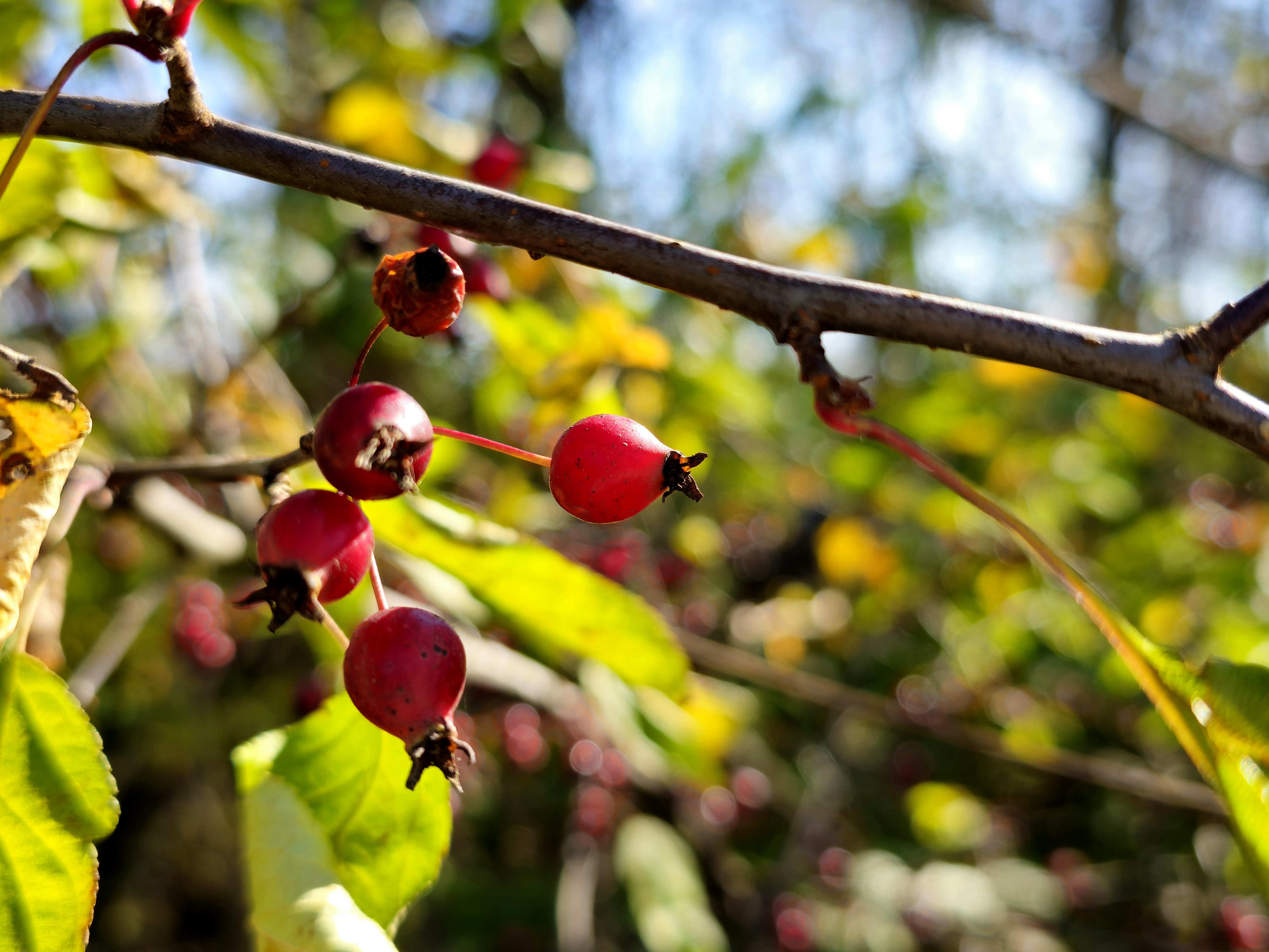
- Shape & Size: Small, round, berry-like fruits with a star-shaped crown at the tip.
- Leaves: Deeply lobed with serrated edges; dark green in summer, turning yellow or red in autumn.
- Flowers: Clusters of white or pink blossoms bloom in spring.
- Stem: Thorny branches with sharp, stiff thorns, perfect for deterring predators.
Fun Fact: The hawthorn’s thick, thorny branches made it a popular choice for hedgerows in ancient Britain, often used to mark property boundaries.
Habitat and Range
- Location: Common in hedgerows, meadows, and along woodlands.
- Region: Found throughout Ohio, the Midwest, and much of North America and Europe.
Ecological Role
- Wildlife Value: Birds such as robins and thrushes feast on hawthorn berries in the fall and winter, while the thorny branches provide excellent shelter.
- Pollinator Attraction: Spring blossoms attract bees and butterflies, supporting local ecosystems.
Did you know? In Celtic tradition, hawthorns were believed to be the homes of fairies, and cutting one down could bring bad luck.
Celtic History & Mythology
The hawthorn holds a special place in Celtic mythology, where it is considered a sacred tree. Known as a “faerie tree,” the hawthorn was believed to be a gateway to the mystical realm of the Sídhe (fairies). These trees were often left standing alone in fields or hedgerows as a mark of respect to the fae.
The Sacred Triad:
- Oak, Ash, and Hawthorn: These three trees were said to hold powerful protective magic in Celtic belief. Hawthorns were particularly linked to fertility, love, and protection, especially around Beltane (May 1st), a festival celebrating the arrival of summer. In some traditions, people would decorate hawthorn trees with ribbons and charms to ask for blessings.
Fun Fact: It was considered bad luck to bring hawthorn flowers into the home, as the scent was thought to be an omen of death or misfortune!
Hawthorn was also seen as a symbol of balance. Its flowers bloom in spring, representing life and growth, while its sharp thorns remind us of life’s challenges and the necessity of protection. This duality made it a powerful symbol in Celtic lore, where the tree was often linked to the idea of a “sacred boundary”—whether between the human and faerie worlds, or between realms of life and death.
Hawthorn and the Faeries:
Many believed that damaging or cutting down a hawthorn tree would anger the faeries, leading to misfortune. In Ireland, even today, it is common to see isolated hawthorns, often called “faerie trees,” standing alone in fields because farmers avoided cutting them down, out of respect for the mystical beings thought to inhabit them.
Did you know? In 1999, a planned highway in Ireland was rerouted to avoid disturbing a lone hawthorn, because of the belief that it was a fairy tree!
Foraging Tips
- Season: Berries are ripe from late summer to early fall (August to October).
- Tips: While foraging, be mindful of the tree’s thorns, and only pick from plants you can confidently identify. Historically, foragers would leave offerings at the base of hawthorn trees, asking for the faeries’ permission to harvest.
How to Enjoy
- Recipes: Hawthorn berries can be used to make teas, syrups, or jams, which are mildly sweet and nutritious. Hawthorn tea has been used for centuries as a tonic for heart health.
- Historical Uses: In Celtic herbalism, hawthorn was known as a heart medicine, believed to strengthen both the physical and emotional heart. The berries, leaves, and flowers were used in tinctures and teas to aid circulation and soothe anxiety.
Try This! Make a hawthorn berry syrup by simmering the berries with water, honey, and cinnamon. This can be used as a heart-healthy tonic or drizzled over pancakes!
Safety Notes
- Lookalikes: Hawthorn can sometimes be confused with crabapple trees (Malus spp.), but crabapples tend to have larger fruits and a different leaf shape.
- Safety: Although hawthorn berries are safe to eat, avoid eating the seeds, as they contain amygdalin, a compound that can release cyanide when consumed in large amounts.
Fun Activity!
- Try This! Host your own mini Beltane celebration by decorating a hawthorn tree with ribbons and charms. Reflect on the Celtic tradition of giving thanks for nature’s bounty and seeking protection from the fae. It’s a fun way to connect with ancient traditions and appreciate the magic of nature!

 Berry Wild Ohio
Leave a comment