OUR MISSION.
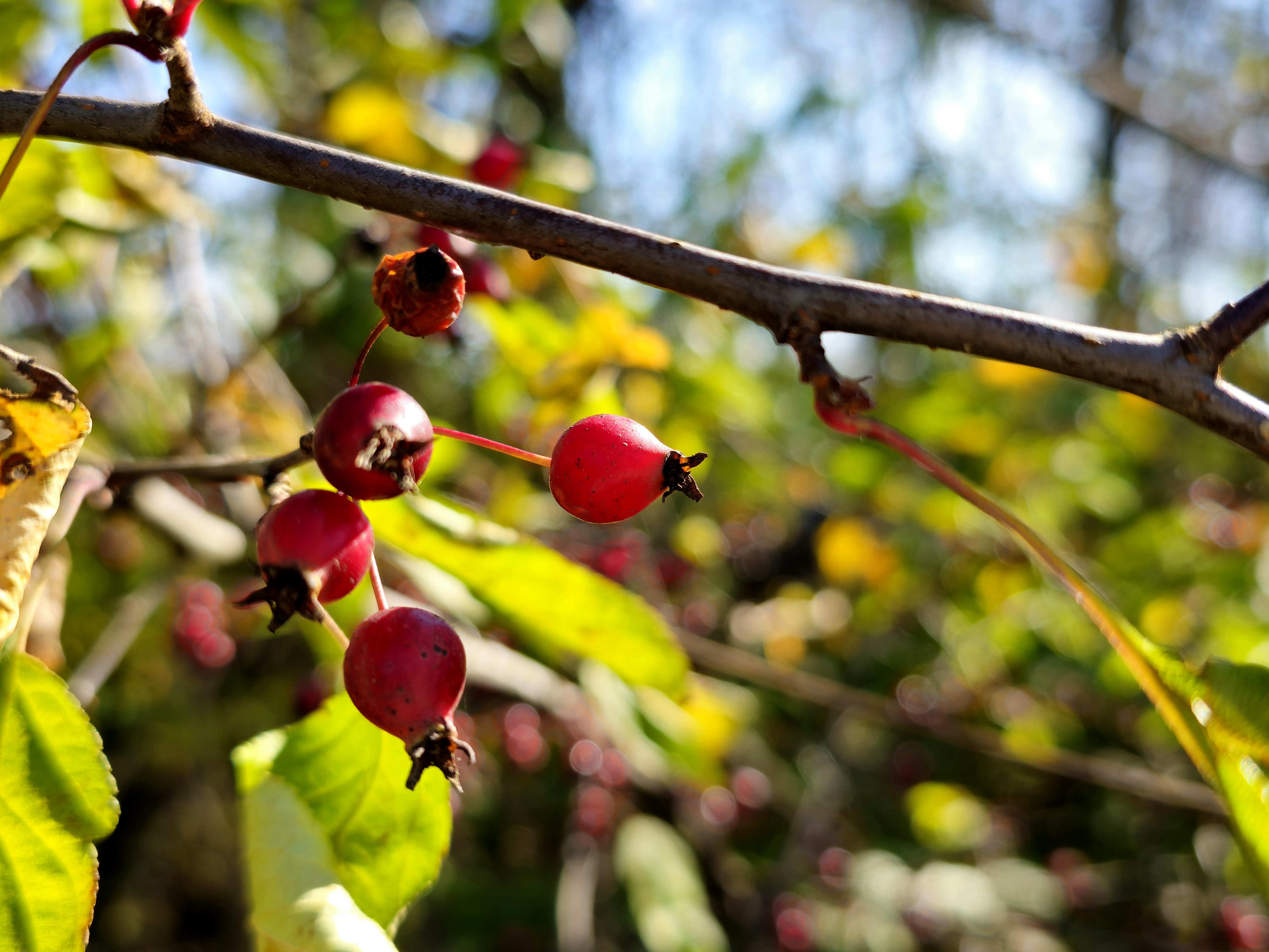
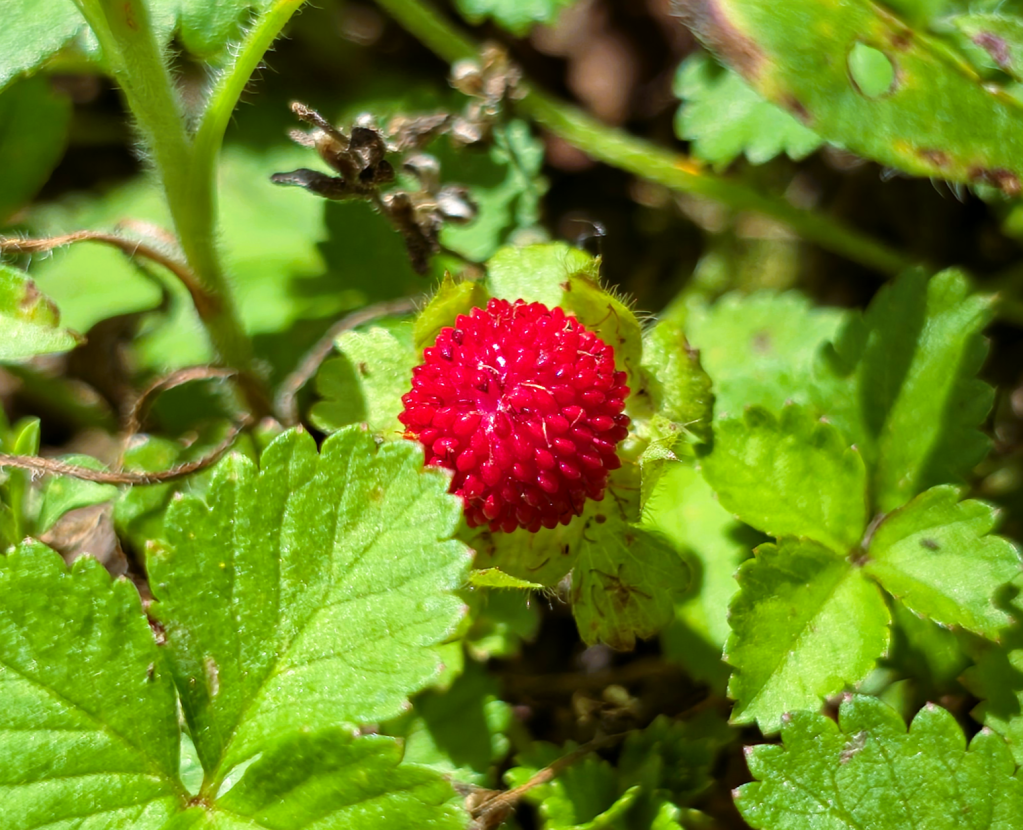
Ohio’s natural landscapes are home to an incredible array of wild berries, each with its own unique charm and story. From the vibrant red of wild strawberries to the deep purples of elderberries, these small fruits not only add splashes of color to the scenery but also serve as essential food sources for wildlife. For those who take the time to explore and observe, wild berries can offer a fascinating glimpse into the rich biodiversity of our region.
The allure of wild berries.
There’s something magical about stumbling upon a patch of sun-drenched black raspberries or finding a hidden cluster of blueberries along a forest trail. These berries have been foraged by generations of people, offering flavors that are far more intense and nuanced than their cultivated counterparts. But while they may look tempting, it’s crucial to approach wild berries with both curiosity and caution.
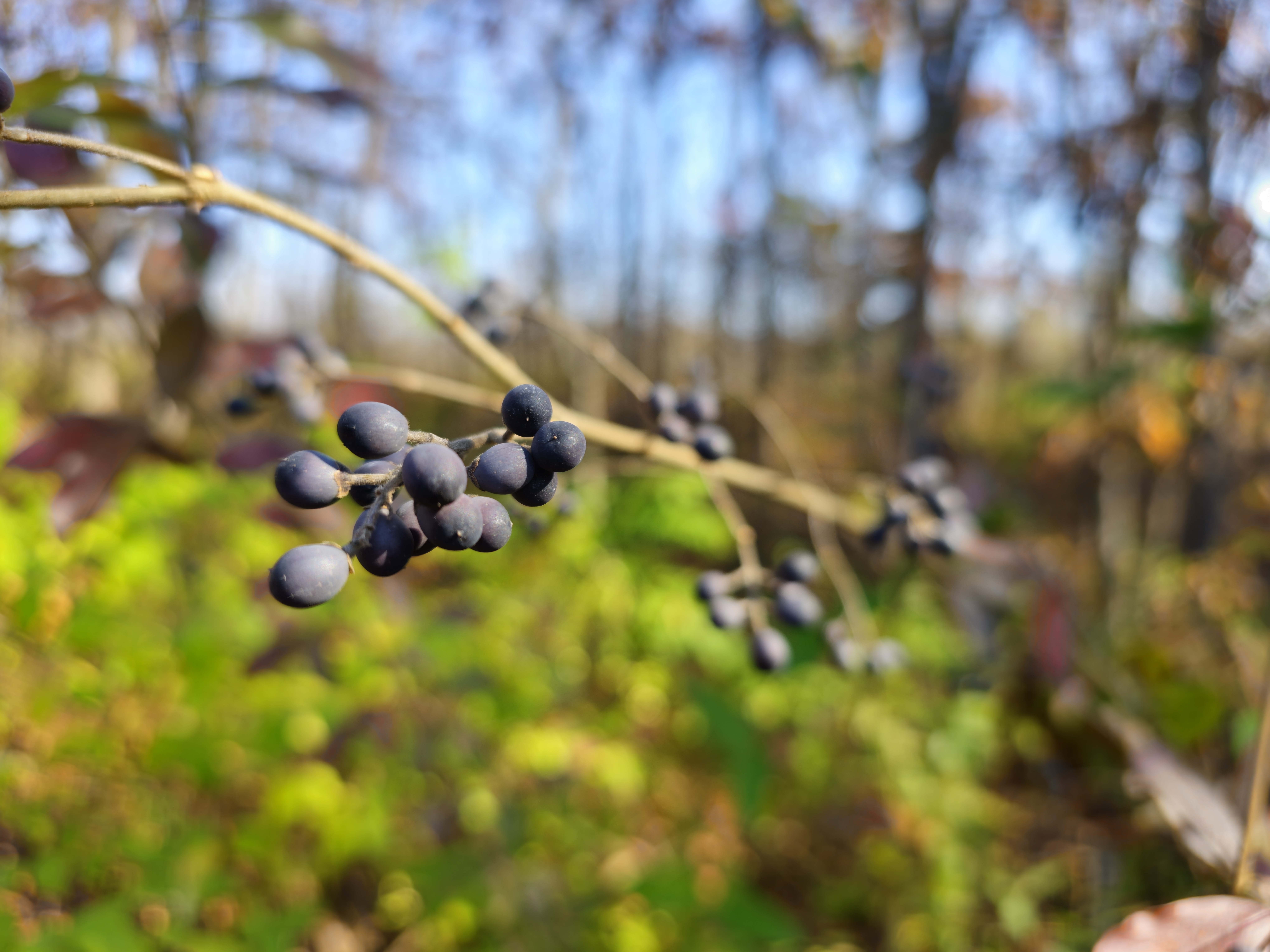
Knowing what’s safe.
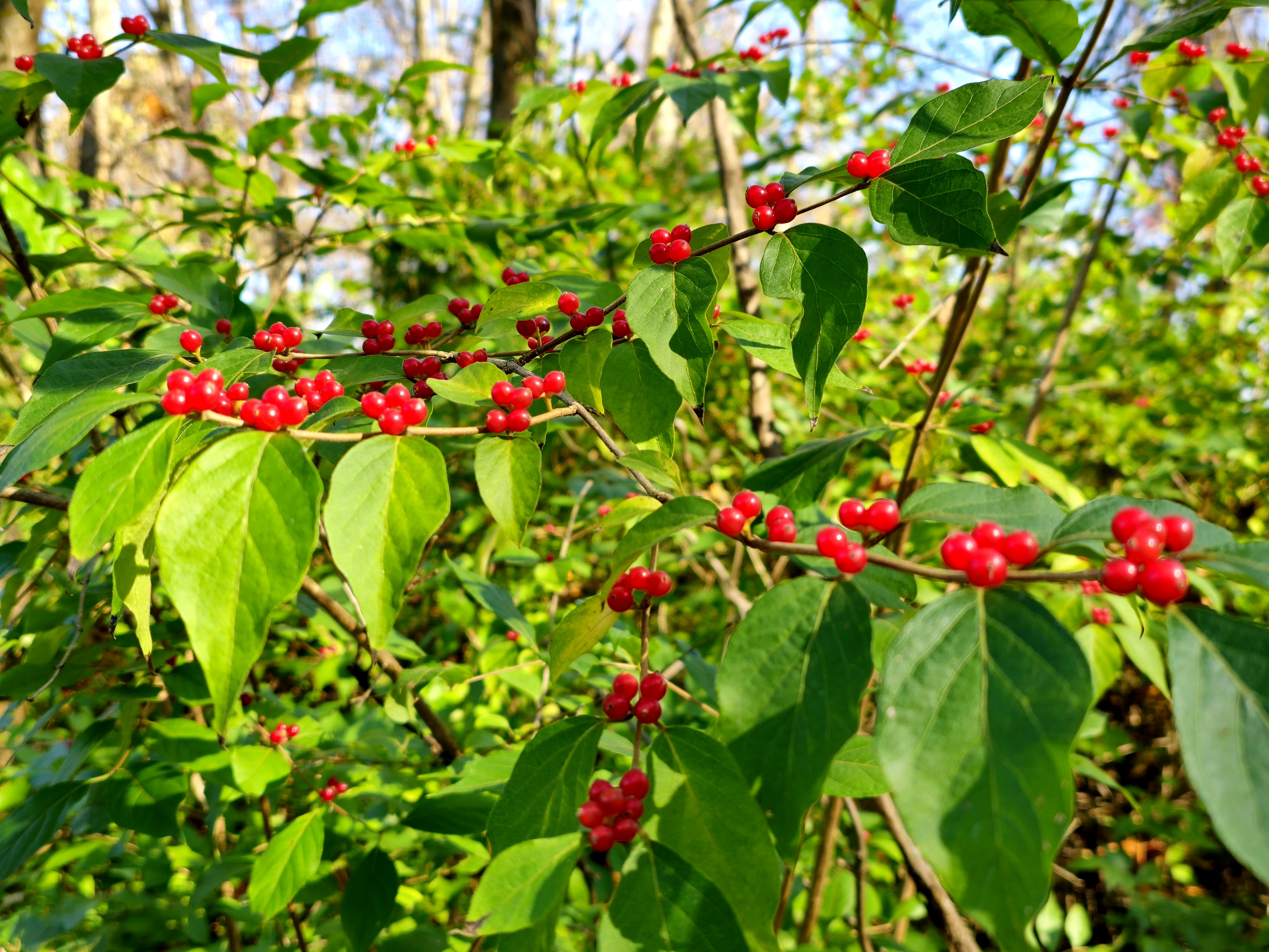
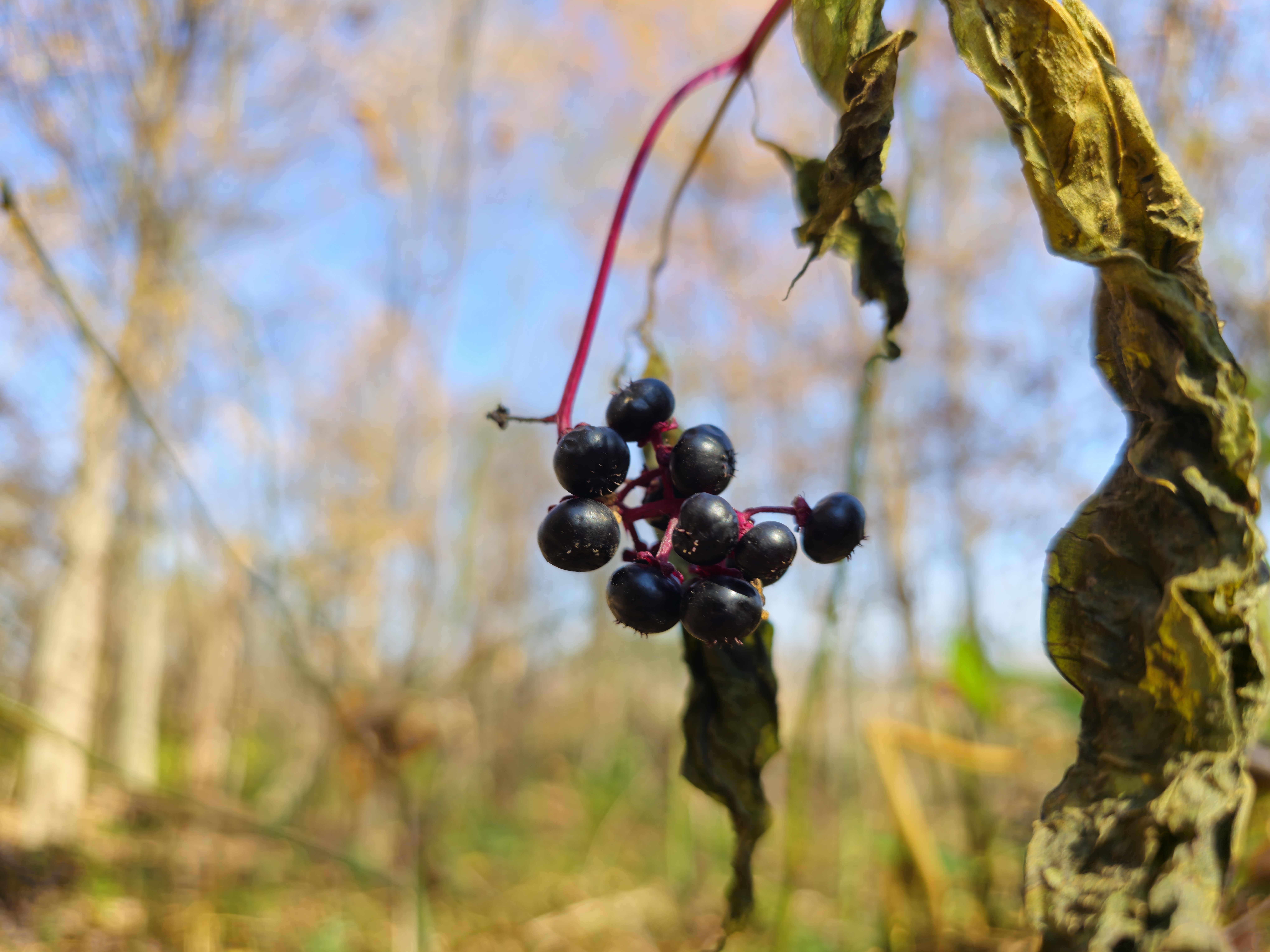
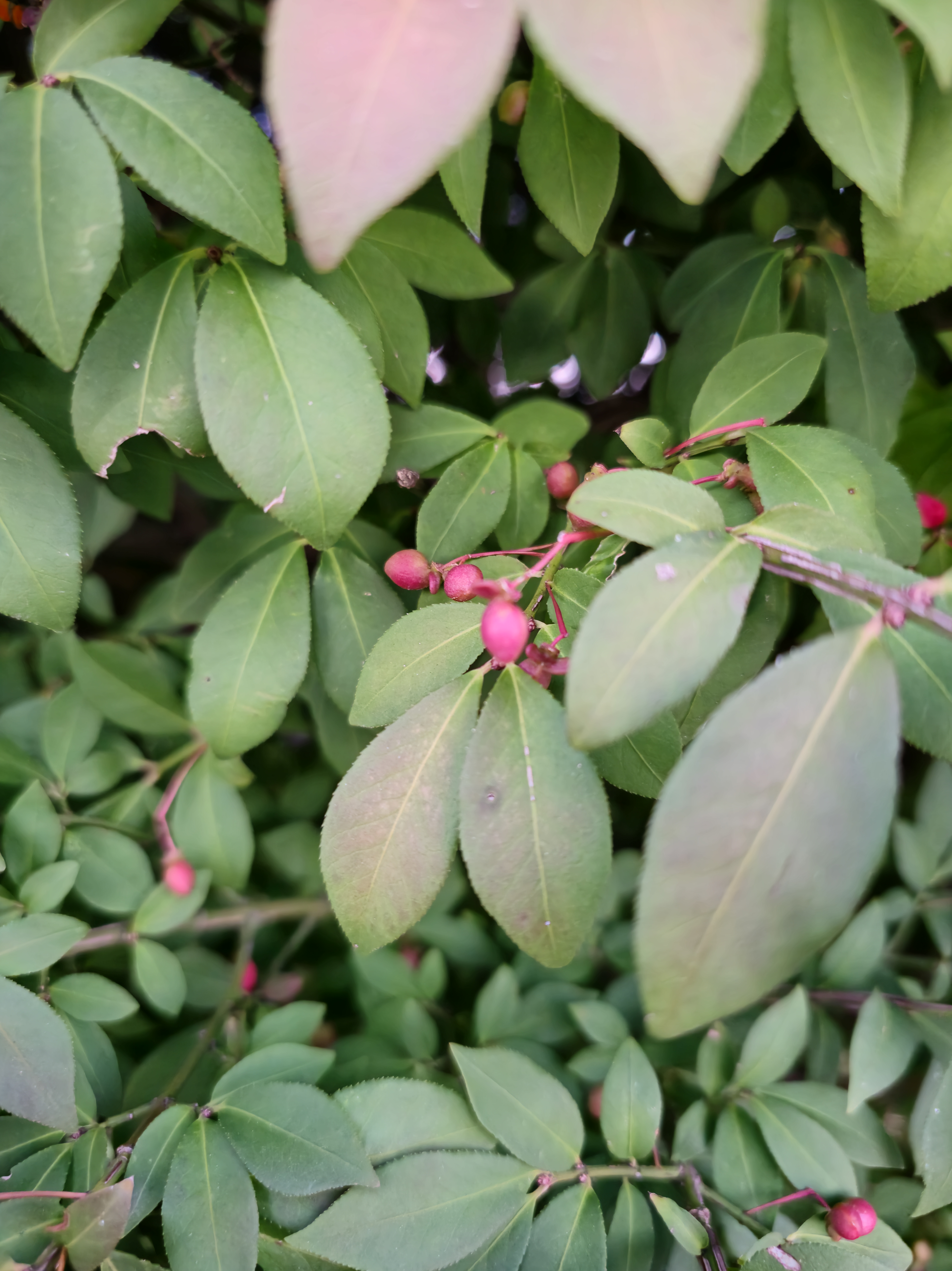
Not all wild berries are meant to be eaten. Some, like the dark, glossy fruits of the pokeweed plant, are highly toxic and can cause serious harm if ingested. Others, such as the bright red berries of the bush honeysuckle, may appear inviting but are best left untouched. Recognizing these plants and understanding their role in the ecosystem is part of becoming a respectful and knowledgeable forager.
If you’re new to foraging, a good rule of thumb is to only consume berries that you can positively identify as safe. When in doubt, it’s always best to admire their beauty and leave them for the wildlife that depend on them.
The hidden threat: Invasive Species.
While many of Ohio’s wild berries are native and play vital roles in their ecosystems, some have been introduced from other regions and can cause significant ecological harm. Invasive species like Japanese honeysuckle and Oriental bittersweet spread aggressively, outcompeting native plants and altering habitats. Their rapid growth can smother native trees and shrubs, diminishing the food and shelter available for local wildlife.
As responsible stewards of our natural spaces, it’s important to be aware of these invasive species and their impact. Simple actions, such as removing invasive plants from your property and choosing native species for landscaping, can help protect and restore Ohio’s biodiversity.
Foster a deeper connection.
Respecting wild berries and their environments means appreciating their beauty and ecological roles without necessarily picking them. Watching birds feast on a cluster of elderberries or observing the changing colors of berry-laden bushes in autumn can be just as rewarding as tasting their fruits.
For those who do want to forage, always remember to do so sustainably: take only what you need, avoid damaging plants, and leave enough for wildlife. By practicing mindful foraging, we can ensure that these natural treasures continue to thrive for future generations.
Celebrating Ohio’s Bounty.
Wild berries are more than just pretty plants or tasty snacks—they’re a testament to the rich and resilient ecosystems that define Ohio’s landscapes. Whether you’re hiking through a wooded trail or exploring a meadow in bloom, take a moment to appreciate the vibrant tapestry of life that wild berries help weave together.
With knowledge and respect, we can all enjoy the beauty and bounty of Ohio’s wild berries while helping to preserve the natural heritage that makes our state so special.

 Berry Wild Ohio